High Performance 3D Printing Materials for Demanding Applications

High Performance 3D Printing Materials for Demanding Applications
Standard PLA and PETG work well for everyday prototyping. However, defense programs, aerospace suppliers, drone builders, and industrial manufacturers often need high performance 3D printing materials that can handle heat, stress, chemicals, and harsh field conditions.
UltiMaker’s new Tectonic-3D Materials Guide introduces a growing portfolio for these demanding applications. In this post, we explain the six material families and where each one fits. We also cover why printer compatibility and validated Cura profiles matter when teams move from prototypes to functional parts.
What Are High Performance 3D Printing Materials?
High performance 3D printing materials go beyond basic prototyping filaments. They support parts that must withstand real operating conditions. Depending on the material, those conditions may include heat, mechanical loads, chemicals, sunlight, moisture, or fire-safety requirements.
The Tectonic-3D portfolio organizes these materials into six families:
- KRATIR Series: Carbon fiber composites for stiffness, strength, tooling, and metal replacement.
- ZEPHYR Series: Lightweight foamed composites for drone and aerospace applications.
- PYRA Series: Halogen-free flame-retardant blends for safety-focused transit applications.
- VULCAN Series: High-temperature polymers for demanding aerospace and industrial environments.
- AURA Series: Dependable engineering thermoplastics for everyday functional parts.
- ANASA Series: Flexible elastomers that retain useful properties across a wide temperature range.
According to UltiMaker, organizations across NATO member nations already use Tectonic-3D materials for on-demand production of rugged components. As a result, the guide offers more than a list of laboratory data. It presents a portfolio shaped by defense, aerospace, transit, and industrial applications.
Carbon Fiber 3D Printing Materials for Structural Parts
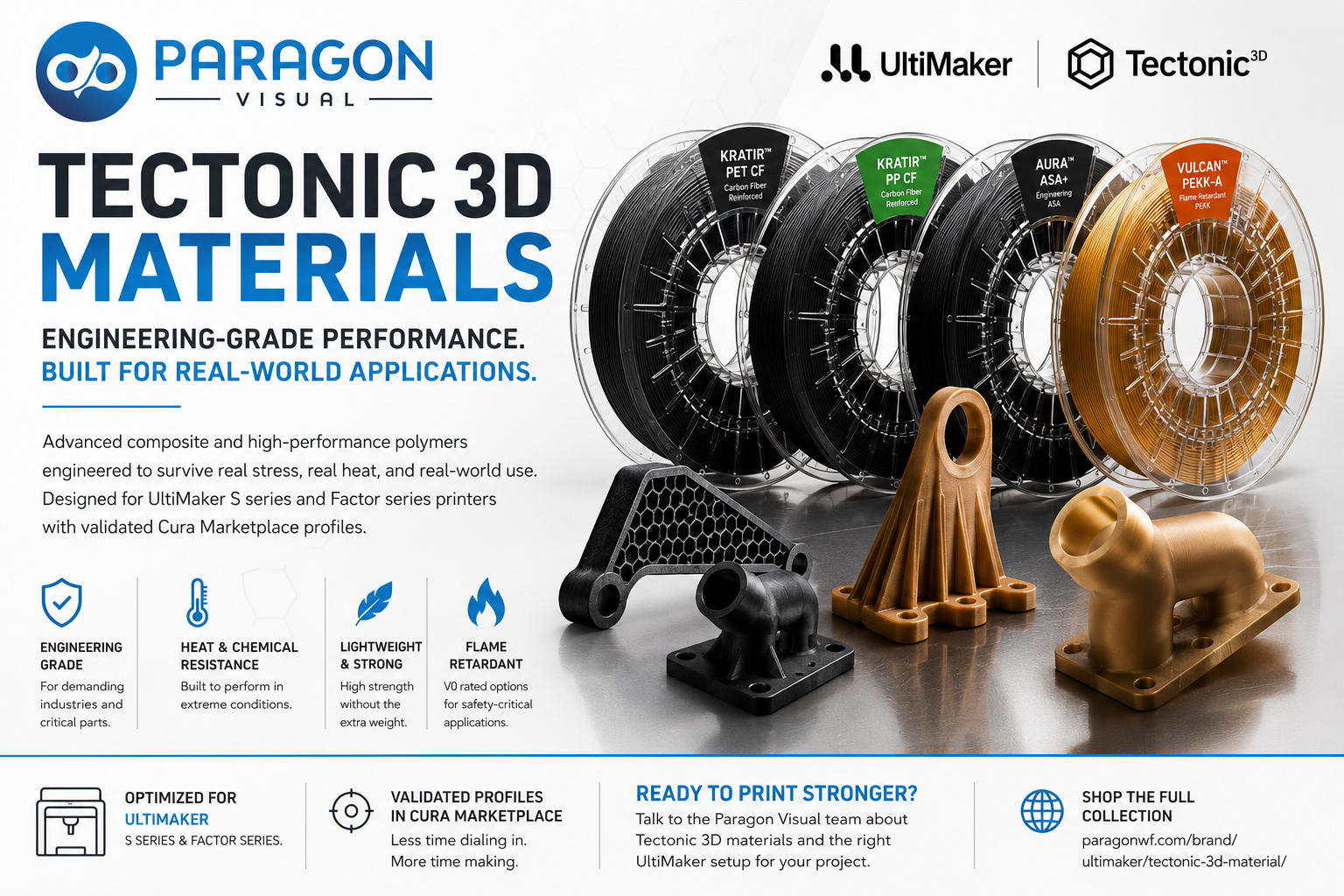
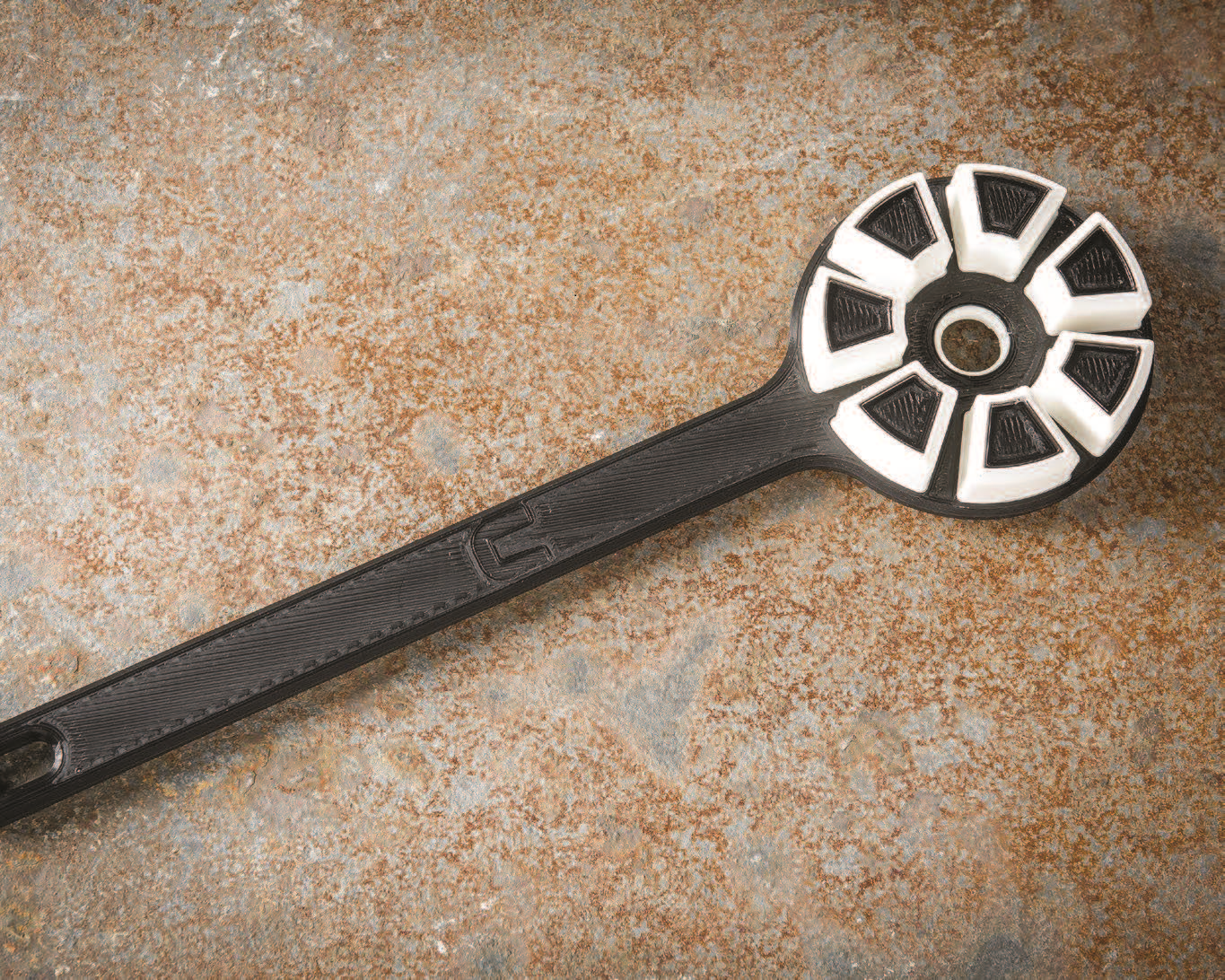
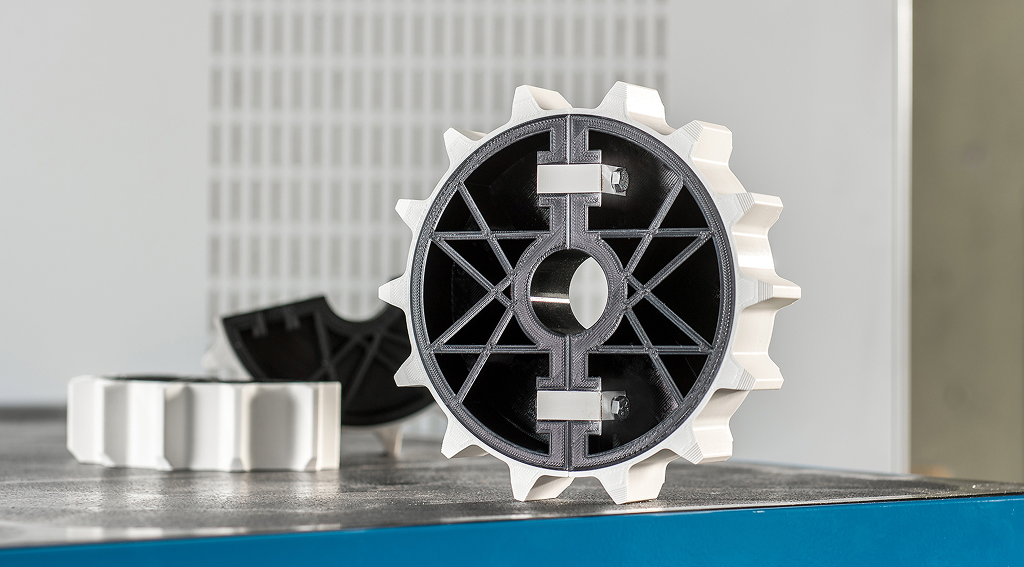
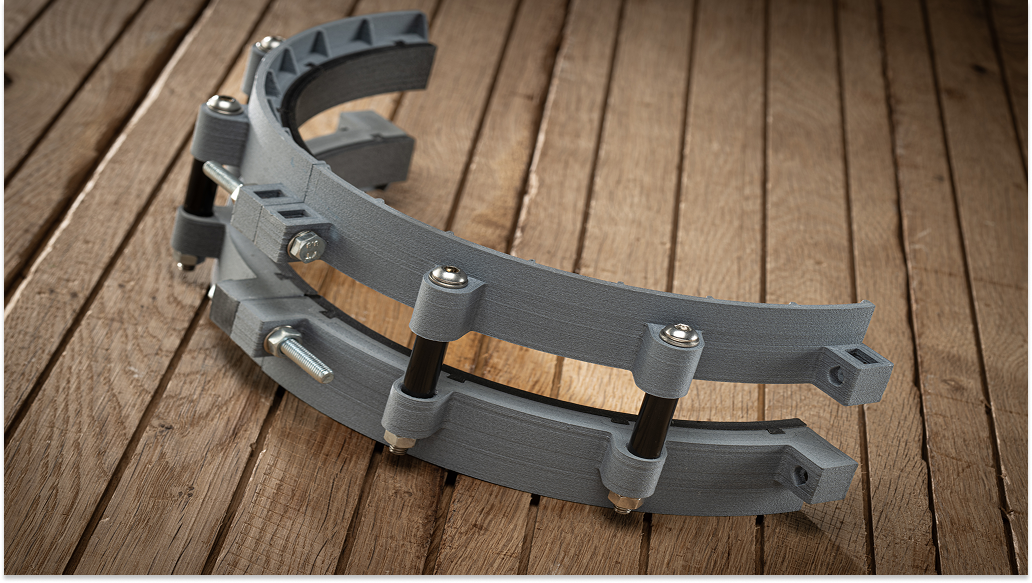
The KRATIR family covers carbon fiber 3D printing materials for strong and rigid components. The family includes carbon fiber reinforced PETG, PET, PP, and polyamide blends. These materials can support tooling, fixtures, structural housings, and selected metal-replacement applications.
Paragon Visual currently offers two KRATIR grades. KRATIR PET CF supports high-stiffness parts that may experience heat, wear, or mechanical stress. Meanwhile, KRATIR PP CF provides a lightweight option with chemical resistance and ESD-safe properties.
Best for: jigs, fixtures, structural brackets, tooling, housings, and selected metal-replacement parts.
Lightweight Composites for Drones and Aerospace
The ZEPHYR family uses controlled foaming technology to reduce part weight. According to UltiMaker’s published figures, ZEPHYR materials can lower weight by up to 35% while maintaining structural rigidity.
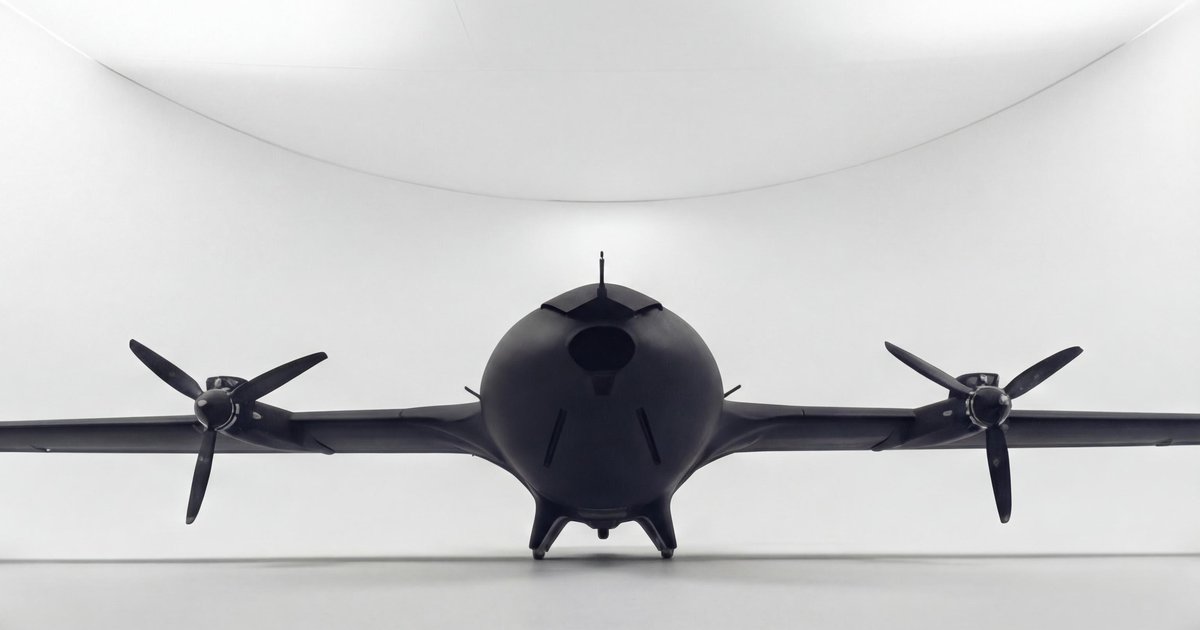
A lighter component can help extend flight time or increase available payload capacity. Therefore, ZEPHYR materials may appeal to teams that design drone airframes, UAV components, and other weight-sensitive parts.
Best for: drone airframes, UAV components, lightweight structures, and weight-sensitive aerospace parts.
Flame-Retardant and High-Temperature Materials
Two Tectonic-3D families address heat and fire-safety requirements. PYRA includes halogen-free flame-retardant blends for railway, bus, and similar transit applications. VULCAN covers high-temperature polymers for aerospace and industrial environments.
For example, VULCAN PEKK-A combines high-temperature performance with flame, smoke, and toxicity characteristics aimed at demanding applications. However, buyers should confirm printer compatibility and processing requirements before ordering any high-temperature material.
Material ratings can support an organization’s qualification process. Still, those ratings do not automatically certify a finished printed component. Final approval depends on the material, part design, print process, operating environment, and applicable standard.
Best for: aerospace interiors, defense applications, rail components, and parts exposed to heat or strict fire-safety requirements.
Everyday Engineering and Flexible Materials
The AURA family includes practical engineering thermoplastics for daily use. Options include a co-polyester with improved temperature stability, an automotive-grade ABS, and AURA ASA+ for outdoor applications. AURA ASA+ offers resistance to sunlight and water, making it useful for durable exterior components.
In addition, the ANASA family adds flexible elastomers in several Shore hardness levels. These castor oil based materials suit parts that need flexibility across a broad temperature range.
Best for: outdoor enclosures, durable end-use parts, seals, grips, gaskets, and vibration-damping components.
The Tectonic-3D Portfolio at a Glance
| Family | Material Type | Typical Applications |
|---|---|---|
| KRATIR | Carbon fiber composites | Tooling, brackets, fixtures, and metal replacement |
| ZEPHYR | Lightweight foamed composites | Drones, UAVs, and aerospace lightweighting |
| PYRA | Flame-retardant blends | Rail, bus, and transit safety applications |
| VULCAN | High-temperature polymers | Aerospace, defense, and high-heat applications |
| AURA | Engineering thermoplastics | Durable everyday parts and outdoor components |
| ANASA | Flexible elastomers | Seals, grips, gaskets, and vibration damping |
Download the free Tectonic-3D Materials Guide below for available grades and published material data. Always confirm the current technical data sheet before selecting a material.
Why Validated Profiles and UltiMaker Compatibility Matter
Advanced materials only provide value when a printer can process them consistently. Validated UltiMaker Cura profiles reduce setup time and provide a tested starting point. This can help teams avoid unnecessary tuning during the first print.
However, compatibility still depends on the specific printer, print core, material, and application. For example, abrasive carbon fiber materials may require a composite-ready print core. High-temperature polymers may also need specialized nozzle, build plate, or chamber conditions.
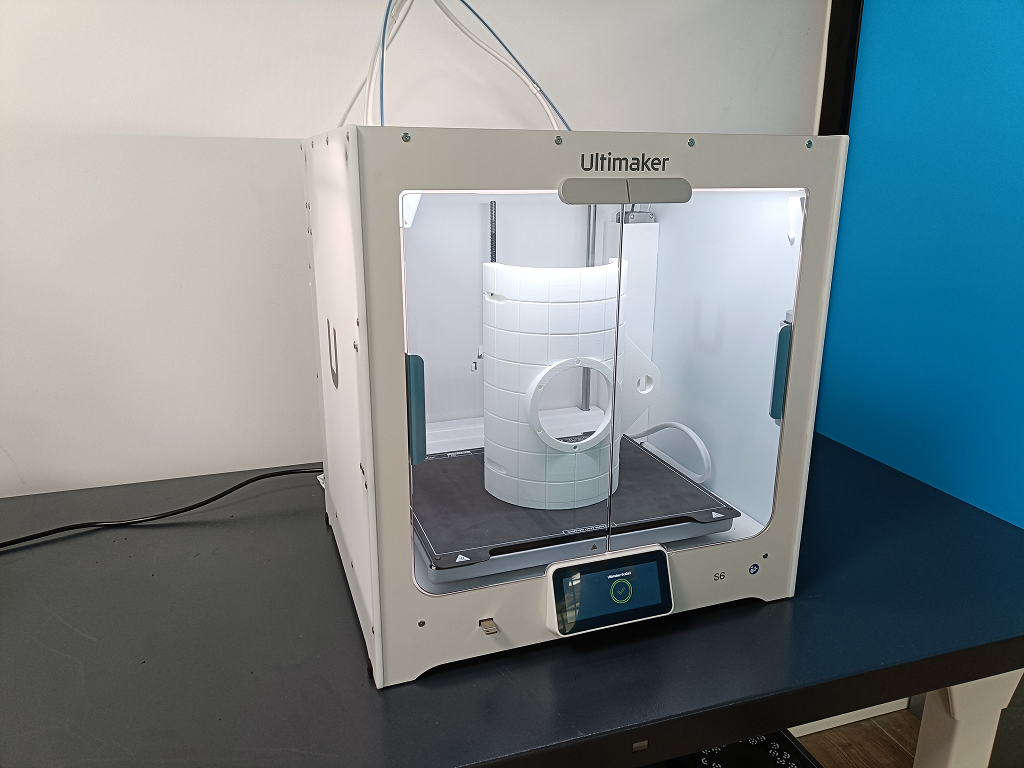
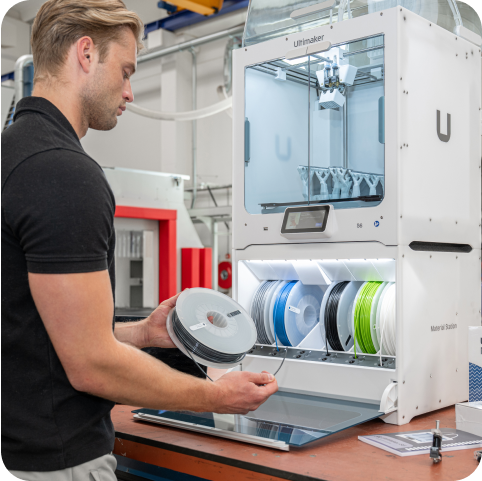
The UltiMaker S6, S8, and Factor Series offer dual-extrusion workflows for compatible build and support materials. This capability can simplify complex geometries that require soluble or breakaway support. Paragon Visual can help confirm the correct printer and material combination before purchase.
For defense and government environments, UltiMaker also offers the S6 Secure and S8 Secure. These systems support air-gapped, USB-only workflows without Wi-Fi or cameras. UltiMaker also lists them as TAA compliant and available through GSA channels. Buyers should confirm the exact system and facility requirements during procurement.
How Paragon Visual Can Help
Paragon Visual is an authorized UltiMaker dealer supporting defense, government, education, and manufacturing customers nationwide. We help customers match printers and materials to their actual applications.
If you are evaluating advanced materials, start with the part rather than the filament. Tell us what the component must survive. That may include heat, impact, chemicals, outdoor exposure, flexibility, or a fire-safety requirement. From there, we can narrow the portfolio to a few practical choices.
We can also answer compatibility questions, review your application, and provide a formal quote for procurement. Most importantly, this process helps you avoid buying material that does not match your printer or performance requirements.
Download the Free UltiMaker Tectonic-3D Materials Guide
Ready to discuss your application? Contact Paragon Visual for material recommendations, compatibility guidance, or an UltiMaker quote.